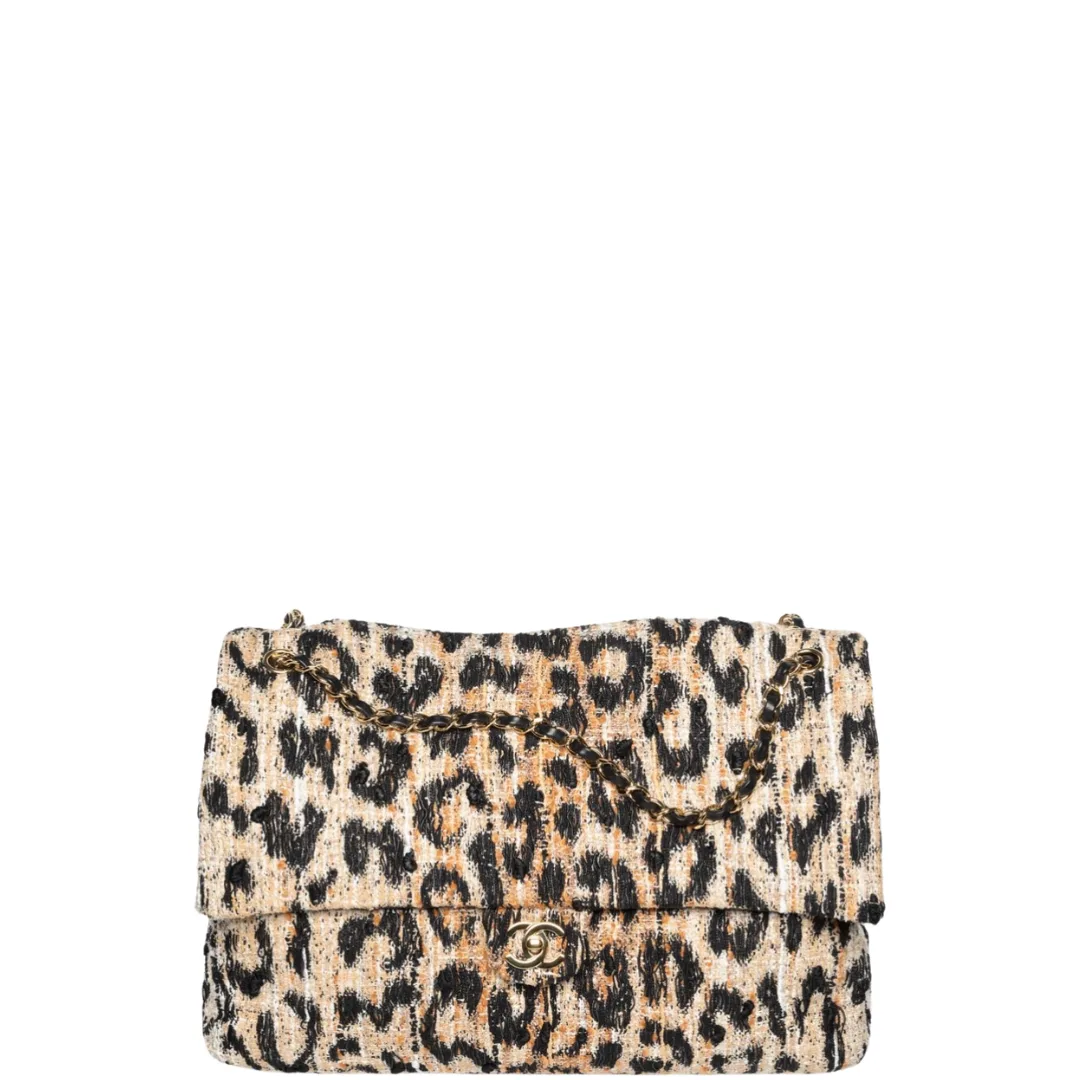
The Birkin has outperformed gold and the stock market over the last decade. Here is why it holds value, and what to look for if you buy one to keep.
Yes — the Hermès Birkin has been one of the strongest investment handbags of the last decade, appreciating around 10–14% a year and outpacing gold; JVCreps places authenticated, full-set Birkins to hold. Few objects are spoken about as an investment as often as the Hermès Birkin, and for once the reputation is earned. Study after study has placed the average annual appreciation of a Birkin in the low-to-mid teens over the past decade — comfortably ahead of gold, and in many years ahead of the wider stock market. A bag you can carry has quietly behaved like a blue-chip asset.
Why it holds its value
The Birkin appreciates for the plainest reason in economics: demand vastly outstrips a supply Hermès deliberately keeps scarce. Each bag is made by a single artisan, production is capped, and you cannot simply walk in and buy one. That scarcity is structural, not seasonal, so the secondary market prices a Birkin above retail the moment it leaves the boutique.
What actually drives the price
- Size: the 25 and 30 are the most liquid and sought-after; larger sizes soften.
- Leather: Togo and Epsom are everyday grails; exotics and rare leathers command a premium.
- Hardware: gold and palladium both hold; limited hardware can lift value.
- Colour: neutral 'quiet' colours (Noir, Étoupe, Gold) are the safest stores of value; rare seasonal colours can spike.
- Condition and completeness: full set — box, dust bag, receipt, rain cover — matters enormously at resale.
How to buy one to keep
If you are buying a Birkin as a store of value rather than a whim, favour a neutral colour, a 25 or 30, in Togo or Epsom, complete with its full set, and — above all — authenticated beyond question. A verified, pristine, full-set Birkin in a classic specification is the version the market always wants back.
Every Hermès piece we place is expert-authenticated and offered complete. If you are looking for a specific Birkin to hold, tell us the specification and we will source it, discreetly.