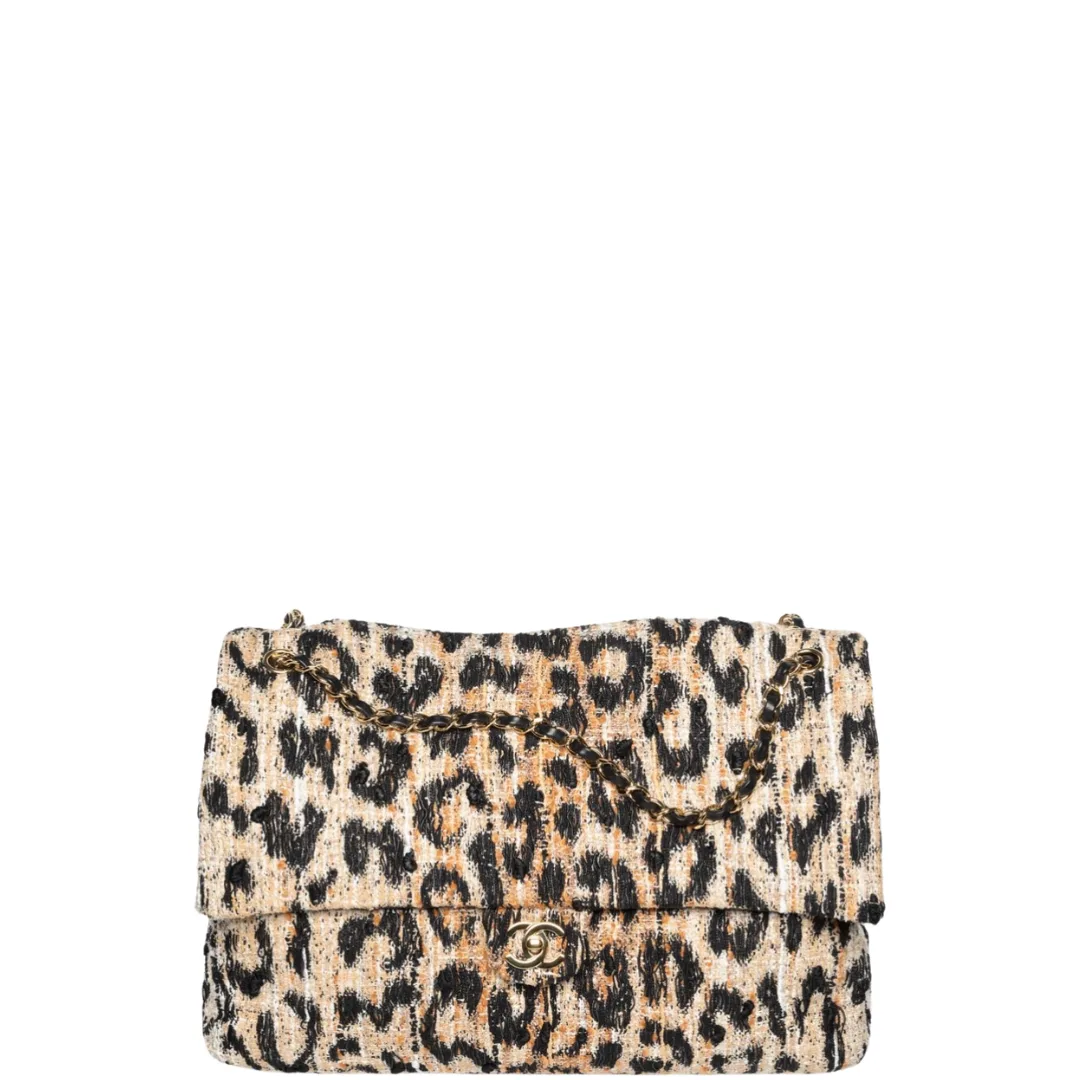
Waitlists, quotas and single-artisan craft — the real reasons a Hermès bag can be worth more than you paid, while most designer bags lose half their value new.
Most designer handbags lose a large slice of their value the moment they leave the shop, the way a new car does. Hermès is the great exception, and the reasons are worth understanding whether you are buying to carry or to keep.
Supply is capped on purpose
Hermès does not chase volume. Its most coveted bags are made one at a time by a single trained artisan, and the house would rather leave demand unmet than flood the market. Scarcity is the strategy, not an accident, and scarcity is what protects price.
You cannot simply buy the grail
A Birkin or Kelly is not sold from a shelf. Access is earned through relationship and patience, which means the people who want one most often cannot get one at retail at all. Every buyer turned away at the boutique is a buyer who turns to the secondary market — and pays a premium to skip the wait.
The craft is genuinely rare
Beneath the marketing sits real substance: the leathers, the saddle-stitching, the decades of training behind each bag. That is why a well-kept Hermès piece ages into an heirloom rather than a cast-off, and why the market keeps wanting it back.
It is also why authentication matters more here than anywhere. Every piece we place is verified by specialists and offered complete — the version the market values, and the only version worth holding.